Titanium anodes possess significant application value in alkaline water electrolysis for hydrogen production, which is mainly reflected in their excellent corrosion resistance, structural stability, and their role in extending the service life of the system.
In a strongly alkaline electrolytic environment with high potential, conventional electrodes are prone to corrosion or passivation. In contrast, the dense TiO₂ passivation film formed on the surface of titanium anodes can effectively resist corrosion, with a corrosion rate much lower than that of traditional electrodes. Although alkaline electrolyzers have traditionally mostly used nickel-based electrodes, titanium anodes, with their chemical inertness and mechanical strength, can serve as a substrate material to support catalytic coatings. This maintains high electrical conductivity while reducing the usage of precious metals, thereby optimizing cost-effectiveness.
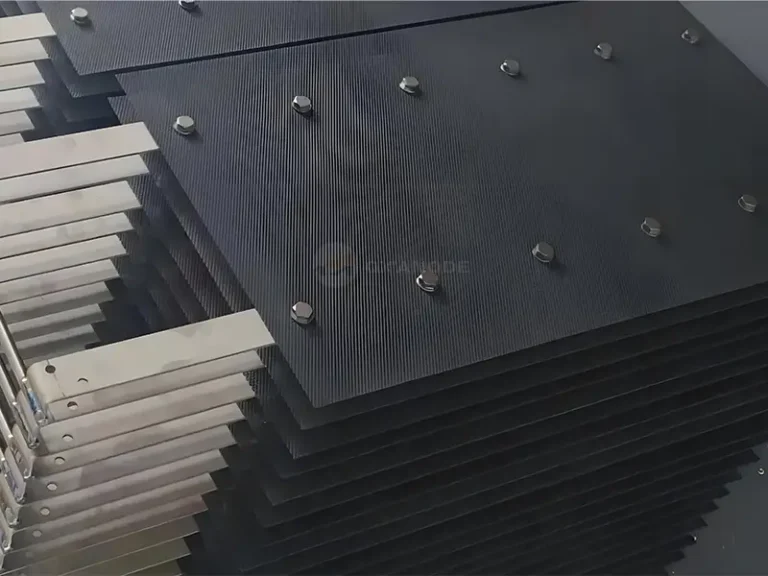
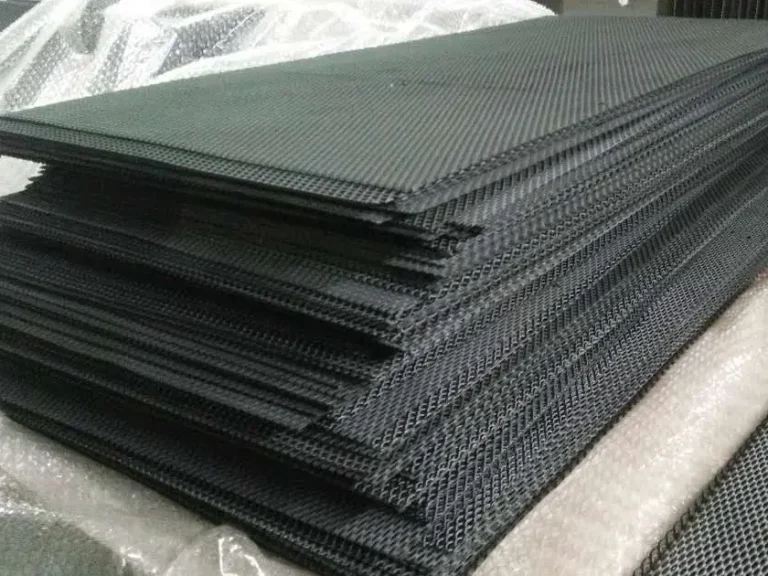
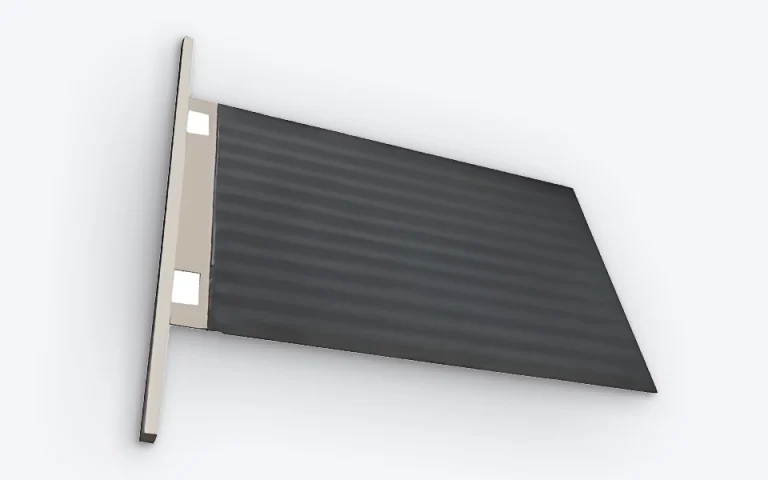
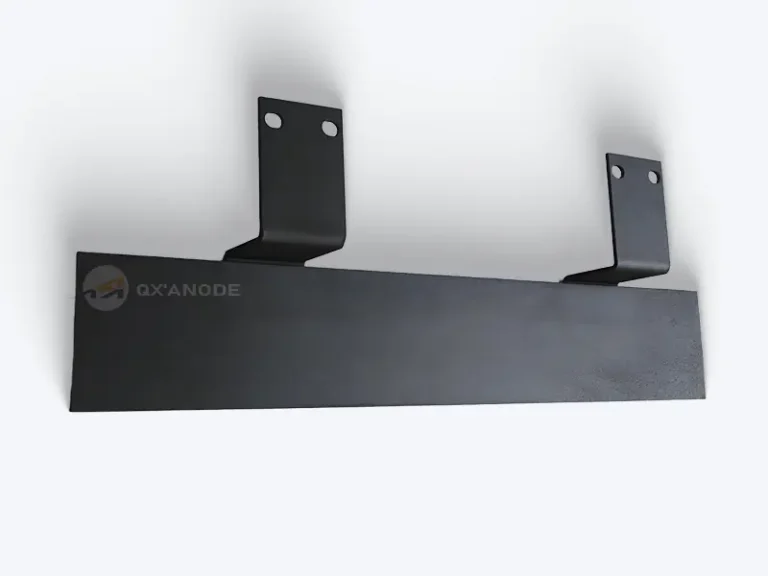
Titanium anode for alkaline water electrolysis hydrogen production
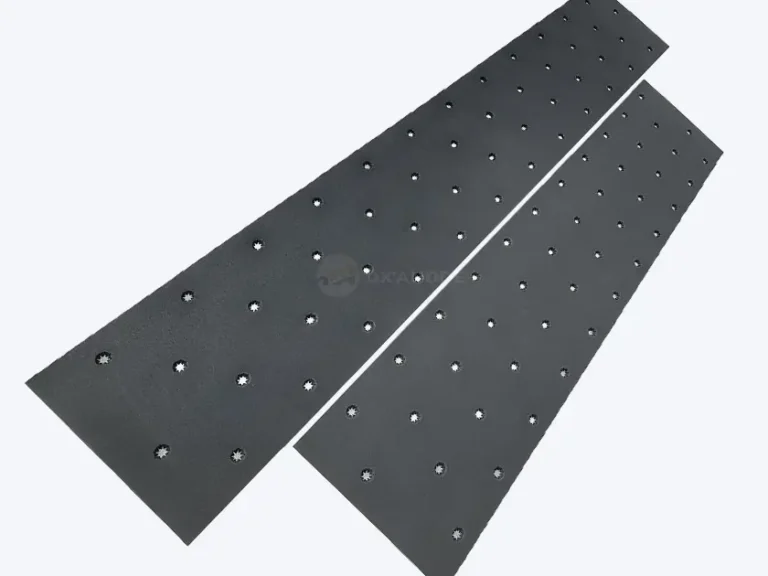
Titanium anodes use pure titanium (Grade 1 or Grade 2) as the substrate, with surface coatings of metal oxides such as ruthenium‑iridium and iridium‑tantalum. They are manufactured through a precise sintering process and are specifically designed for the strong alkaline operating environment of alkaline water electrolysis for hydrogen production (the electrolyte is mostly 20%–40% KOH or NaOH solution). They can effectively address industry pain points of traditional anodes, including poor corrosion resistance, short service life and relatively high power consumption, providing reliable assurance for the stable and efficient operation of alkaline water electrolysis hydrogen production systems.
As a mature and cost-effective technology for green hydrogen production, alkaline water electrolysis has been widely applied in fields such as industrial energy storage and new energy supporting systems. As a core component of alkaline electrolytic hydrogen production systems, titanium anodes have become a crucial support for improving electrolytic hydrogen production efficiency and reducing full life-cycle costs due to their excellent corrosion resistance and stable electrochemical performance, meeting the practical requirements of various industrial-grade alkaline electrolytic hydrogen production scenarios.
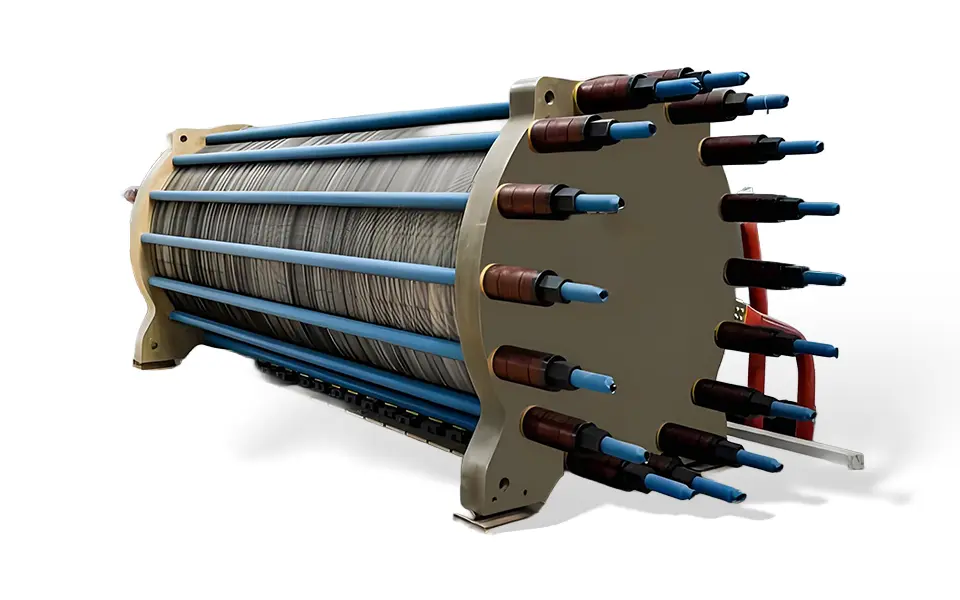
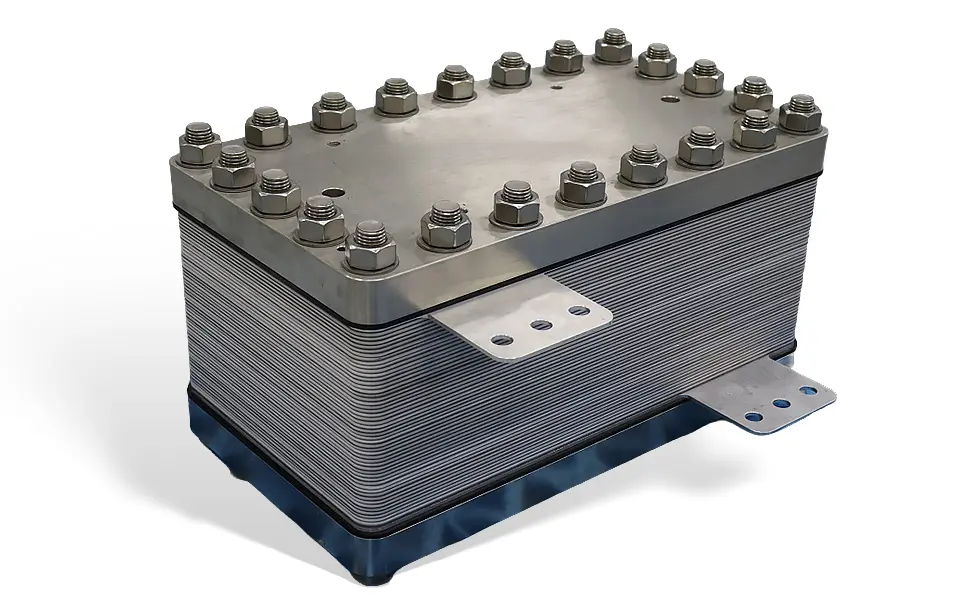
In the process of alkaline electrolysis for hydrogen production, titanium anodes mainly undertake the core function of the oxygen evolution reaction. Their coatings can significantly reduce the oxygen evolution overpotential, decrease electrochemical energy loss, and help improve the current efficiency of the electrolysis system. For alkaline electrolyzers equipped with titanium anodes, the power consumption per unit hydrogen production can be reasonably optimized, and the system efficiency is steadily improved. Compared with traditional graphite anodes, they possess energy-saving advantages.
Advantages of titanium anodes
- It boasts excellent corrosion resistance. The titanium substrate can form a dense TiO₂ passivation film, with a corrosion rate of ≤0.002 mm/year in a strong alkaline electrolyte at 85°C. It can effectively resist long-term erosion in strong alkaline environments and prevent electrolyzer failures caused by anode loss.
- Under conventional alkaline electrolysis hydrogen production operating conditions, it can significantly reduce the frequency of anode replacement, as well as lower operation and maintenance costs and downtime losses.
- It features wide adaptability. It can be customized into various forms such as plates, meshes and rods according to different electrolyzer specifications, suitable for all kinds of needs ranging from small laboratory devices to megawatt-level industrial hydrogen production projects. Meanwhile, it supports customized coating formulations to meet performance requirements under different working conditions.
Titanium anodes have been successfully applied in multiple hundred-megawatt-scale hydrogen projects and industrial by-product hydrogen purification projects, demonstrating stable performance in scenarios such as wind-solar hybrid hydrogen production and green hydrogen substitution in chemical industrial parks. As a core adaptive component in the field of alkaline electrolytic hydrogen production, titanium anodes strictly comply with relevant international standards and have passed the ISO 9001 quality system certification. The entire production process follows standardized procedures to ensure the stability and consistency of product performance. We can provide customized titanium anode solutions according to customers’ specific electrolysis system parameters, including coating formula optimization, size customization, helping customers reduce hydrogen production costs and improve system stability.