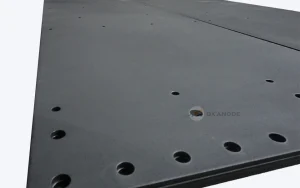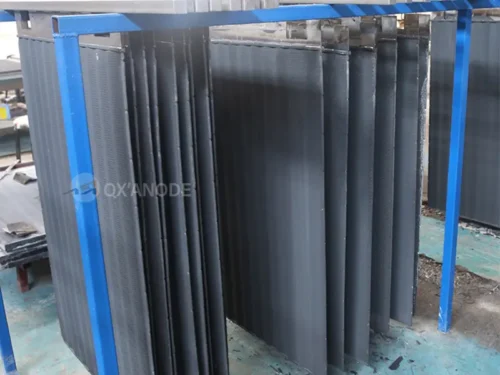
Titanium anode – a core matching component for all-vanadium flow energy storage batteries
Titanium anodes for all-vanadium flow energy storage batteries demonstrate their core adaptation advantages in the corrosion resistance of industrial pure titanium. The electrolyte of all-vanadium flow batteries is an acidic vanadium solution, and electrodes exposed to this environment for a long time are prone to corrosion and wear, which affects battery service life. Relying on the inherent chemical stability of titanium metal, combined with the precious metal coating specially developed by the company for vanadium flow batteries over years of research, titanium anodes for all-vanadium flow energy storage batteries can effectively resist the erosion of acidic electrolytes, prevent electrode dissolution, deformation and other problems, extend electrode service life, highly match the long-cycle requirements of all-vanadium flow batteries, and adapt to the demand for long-term stable operation of the batteries.
The working principle of all-vanadium flow energy storage batteries relies on the reversible changes of vanadium ions at different valence states to achieve the storage and release of electrical energy. As the core carrier of electrochemical reactions, electrodes directly affect the cycle stability, energy efficiency and service life of the batteries. The titanium anode for energy storage batteries uses industrially pure titanium as the substrate, with a special catalytic coating coated on its surface. It combines corrosion resistance, high strength and excellent electrochemical performance, perfectly adapting to the working environment and performance requirements of all-vanadium flow batteries.
In the field of new energy storage, all-vanadium flow batteries have become the preferred energy storage solution for scenarios such as power grid peak regulation, new energy matching, and industrial microgrids by virtue of their advantages including long cycle life, high safety, and flexible capacity expansion. As their core electrode component, titanium anodes provide solid support for the stable and efficient operation of the batteries with their excellent performance adaptability, facilitating the large-scale application and upgrading of energy storage technologies.
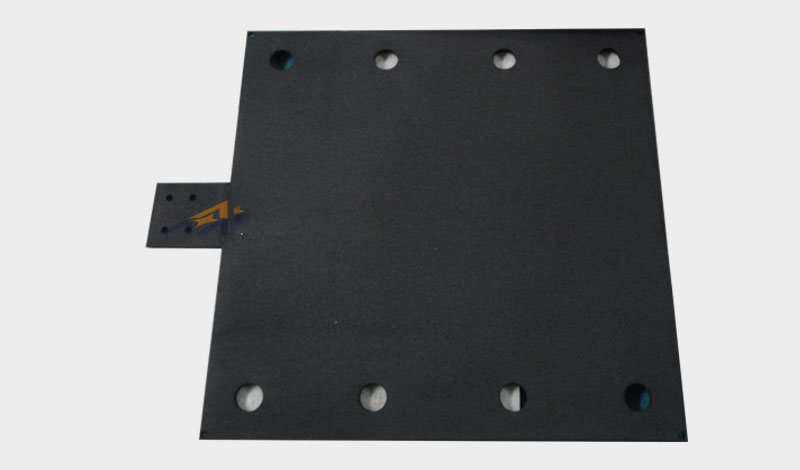
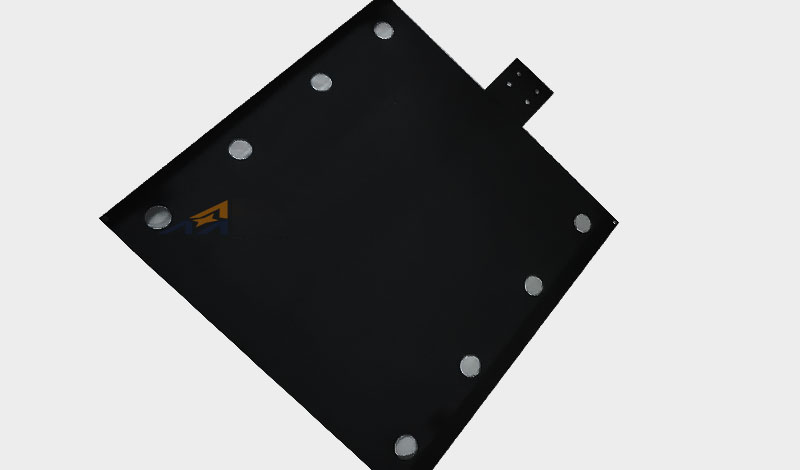
All-vanadium flow energy storage battery
All-vanadium redox flow battery (VRB) is a type of redox flow battery that uses vanadium ion solutions of different valence states as active substances. Due to its characteristics such as high safety, long service life, large capacity and environmental friendliness, it is becoming an important technical route in the field of long-duration energy storage. Among them, although the titanium anode of all-vanadium redox flow battery is not a mainstream electrode material, it can serve as a current collector and dual-electrode material in specific structures or composite systems.
The key components of all-vanadium flow energy storage batteries include electrolyte, stack, ion exchange membrane and bipolar plate. Among them, bipolar plates and current collector end plates must possess high electrical conductivity and corrosion resistance. Titanium metal exhibits excellent corrosion resistance, but it tends to form an insulating oxide film on its surface, which impairs electron conduction. Precious metal coatings can provide electrodes with electrocatalytic activity and electrical conductivity.
Titanium Anodes Used in Energy Storage Batteries
Titanium anodes for all-vanadium redox flow energy storage batteries feature excellent electrochemical catalytic performance, which can effectively improve the energy efficiency of the batteries. The catalytic activity of electrodes directly determines the rate and reversibility of electrochemical reactions. The catalytic coating on the surface of titanium anodes can reduce the reaction overpotential, facilitate the efficient progress of redox reactions of vanadium ions, minimize energy loss, and help maintain the energy efficiency of the batteries within a reasonable range. Meanwhile, titanium anodes possess stable electrical conductivity, ensuring uniform current distribution, preventing battery performance degradation caused by excessive local reactions, and further enhancing the stability and reliability of battery operation.
In terms of structural adaptability, the titanium anodes used in all-vanadium flow energy storage batteries can be processed into electrode plates of various specifications and shapes according to the stack design requirements of all-vanadium flow batteries, adapting to battery systems with different power ratings and capacities. They can achieve precise matching for both small-scale energy storage modules and large-scale energy storage power stations. Their lightweight and high-strength properties can also reduce the overall weight and volume of battery stacks, facilitating the installation and layout of energy storage systems and meeting the installation requirements of multiple scenarios such as the grid side and the user side.
As a core supporting component of all-vanadium flow energy storage batteries, the quality and performance of titanium anodes are directly related to the operational effectiveness and full life cycle cost of the battery system. Adhering to the concept of compliant production, we strictly follow relevant industry standards and quality control procedures. The titanium anodes we produce undergo multiple testing processes to ensure stable product performance and reliable quality. They can be adapted to various application scenarios of all-vanadium flow energy storage batteries, providing a strong guarantee for the efficient, safe and long-term operation of energy storage systems.