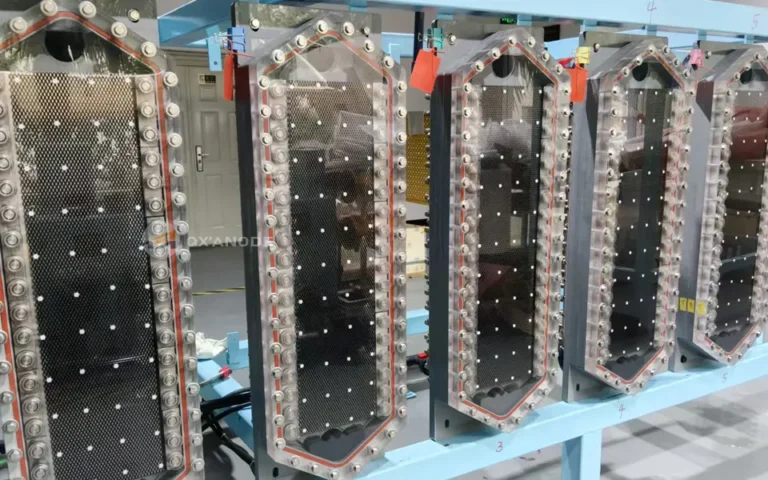
Titanium Anode for Copper Electrowinning in Hydrometallurgy – Application & Advantages
Titanium anodes (insoluble anodes, DSA), as anode components in hydrometallurgy and copper electrowinning processes, have gradually replaced lead-based anodes, bringing significant improvements in production efficiency, product quality and environmental protection. Titanium anodes are suitable for large-scale copper electrowinning workshops and can adapt to the harsh working conditions of acidic electrolyte systems, providing reliable guarantees for the sustainable development of the copper metallurgy industry.
Technical Parameters of Titanium Anodes for Copper Electrowinning
| Parameter | Specification |
| Titanium Matrix Material | Gr1 / Gr2 industrial pure titanium |
| Matrix Shape | Mesh / plate |
| Matrix Thickness | 1~5mm |
| Coating Type | IrO₂Ta₂O₅ Titanium‑based gradient PbO₂ composite coating |
| Coating Type | IrO₂Ta₂O₅ Titanium‑based gradient PbO₂ composite coating |
| Specification | Customization |
| Current Efficiency | 90%~95% |
| Oxygen Evolution Overpotential | 1.73~1.9V (Vs.SCE, 150g/L sulfuric acid, 1000A/m²) |
| Applicable Current Density | ≤500A/m² |
| Applicable Electrolyte | Copper sulfate‑sulfuric acid system (Cu²⁺ 40‑50g/L, H₂SO₄ 150‑200g/L) |
What Is Titanium Anode in Copper Electrowinning?
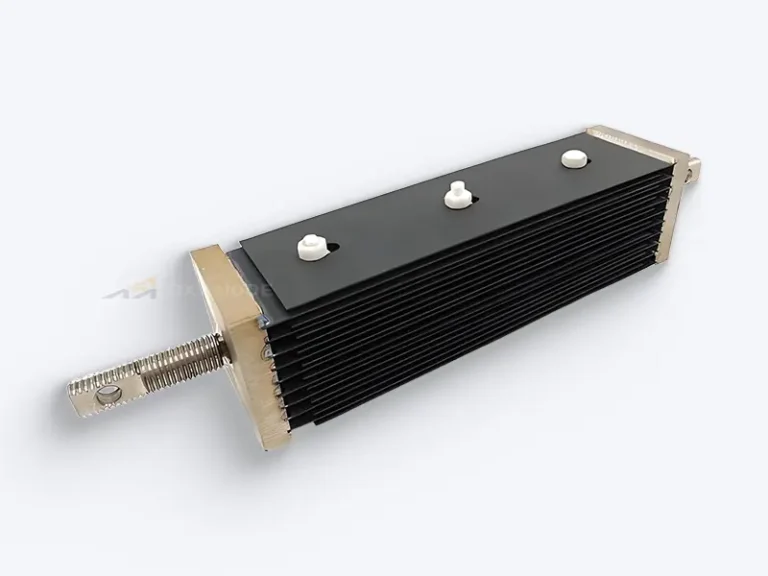
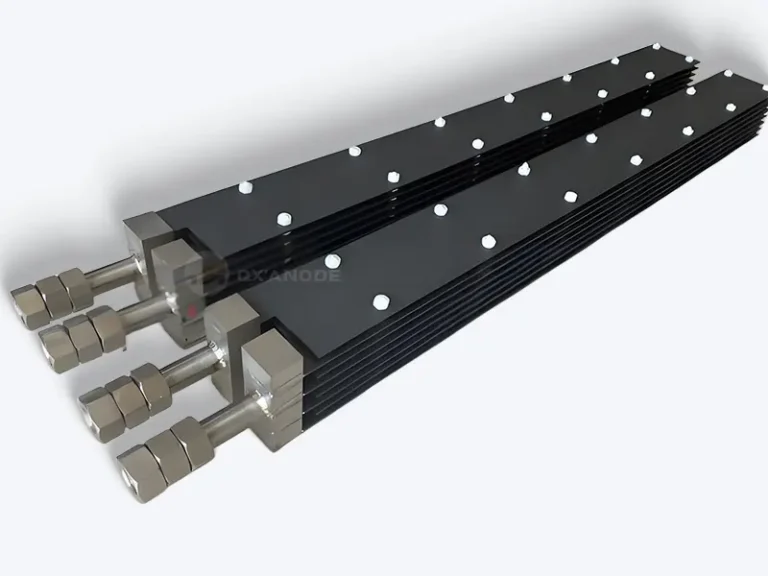
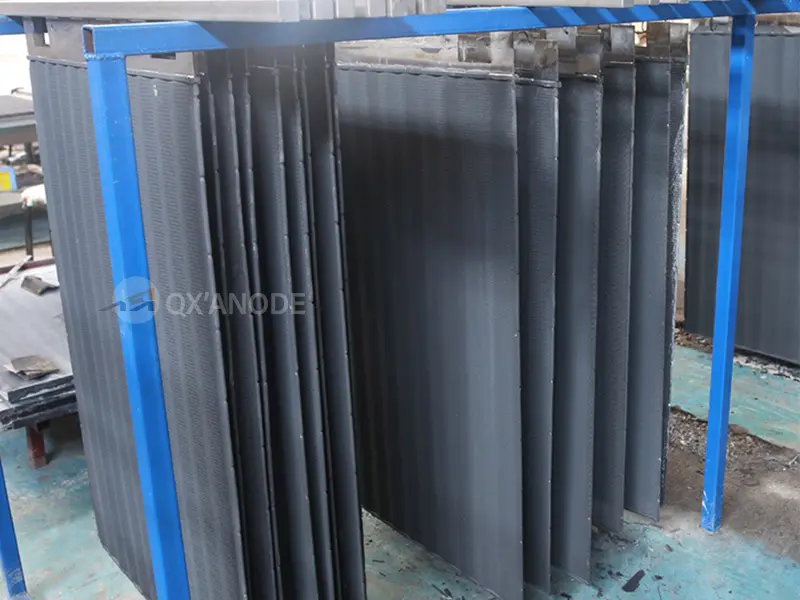
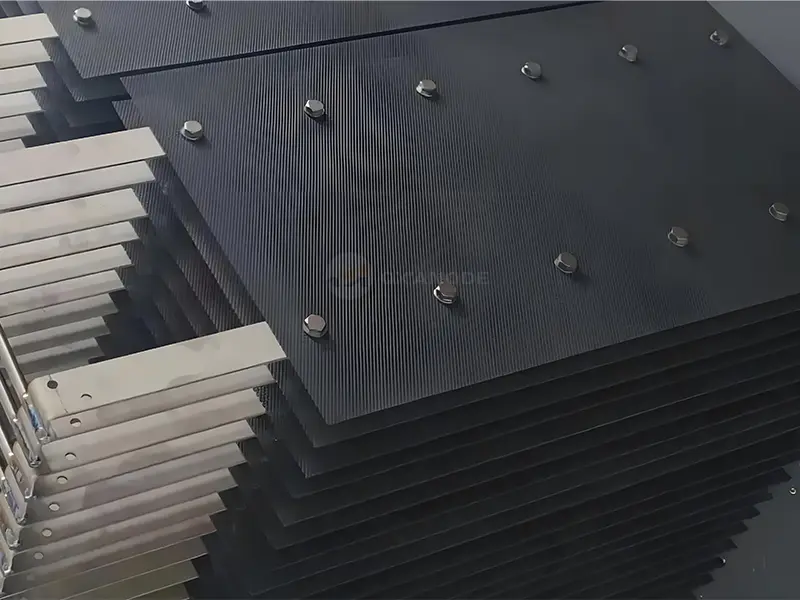
Titanium anodes for copper electrowinning are composite electrode materials based on titanium, mainly composed of a titanium substrate and multi-layer functional coatings.
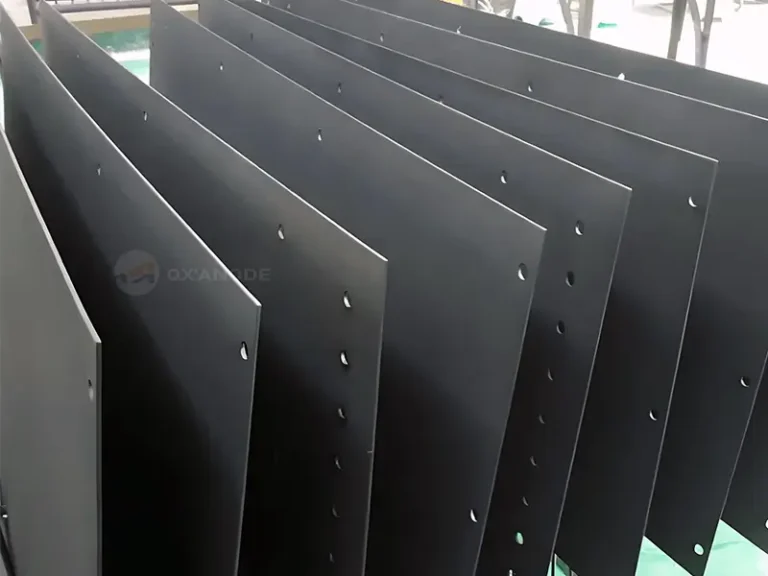
- The titanium substrate is usually made of Gr11/Gr2 commercially pure titanium plates or titanium mesh plates with a thickness of 1 to 5 mm.
- Sandblasting is applied to enhance coating adhesion. The surface coating is mostly a gradient lead dioxide (PbO₂) layer or a composite layer of iridium-tantalum noble metal oxides.
- Lead dioxide titanium anodes consist of a noble metal oxide underlayer, a β‑PbO₂ intermediate layer, an α‑PbO₂ transition layer, and a β‑PbO₂ active layer.
In the hydrometallurgical copper electrowinning process, titanium anodes act as insoluble anodes, which undertake the oxygen evolution reaction in the copper sulfate‑sulfuric acid electrolyte system, stably provide oxidation reaction sites, and cooperate with the reduction reaction of copper ions at the cathode to realize efficient and clean copper electrodeposition. Unlike traditional soluble lead anodes, titanium anodes do not dissolve during operation, avoiding electrolyte pollution and ensuring the purity of cathode copper.
Key Advantages of Titanium Anodes in Copper Electrowinning
- Excellent Corrosion Resistance, Adapt to Harsh Working Conditions
The titanium matrix can form a dense oxide film in the acidic electrolyte, which can withstand the corrosion of high‑concentration sulfuric acid (150‑200g/L), high temperature (50‑60℃) and strong electrochemical environment in the copper electrowinning process. The corrosion rate of titanium anodes is less than 1/10 of that of traditional lead anodes, and there is no phenomenon of anode dissolution, which effectively avoids electrolyte pollution caused by lead ions and reduces the subsequent electrolyte treatment cost. - High Current Efficiency, Reduce Energy Consumption
The lead dioxide or precious metal oxide coating on the surface of titanium anodes has excellent electrocatalytic activity, with an oxygen evolution overpotential as high as 1.73‑1.9V (Vs.SCE), which can effectively inhibit side reactions and improve the current efficiency of copper electrodeposition to 93%‑95%. Compared with traditional lead anodes (current efficiency 85%‑90%), titanium anodes can reduce DC power consumption by about 110 kWh per ton of copper, significantly reducing the production energy consumption of enterprises. - Dimensional Stability, Improve Product Quality
Titanium anodes have good structural rigidity and small deformation during long‑term operation, which can maintain stable pole spacing and uniform current distribution on the cathode surface, reducing edge effects. This helps to improve the uniformity of cathode copper thickness and surface quality, reduce the scrap rate, and ensure that the copper product meets the requirements of high purity (free of lead contamination). At the same time, the stable size of titanium anodes also avoids short‑circuit risks caused by anode deformation, reducing maintenance workload. - Environmental Protection and Safety, Comply with Green Production Requirements
Titanium anodes do not produce lead‑containing pollutants during operation, avoiding the harm of lead to the environment and operators’ health, and eliminating the need for complex lead removal systems and toxic lead removal agents (such as barium carbonate). At the same time, the use of titanium anodes can reduce acid mist emission, improve the operating environment, and help enterprises achieve green and low‑carbon production goals.
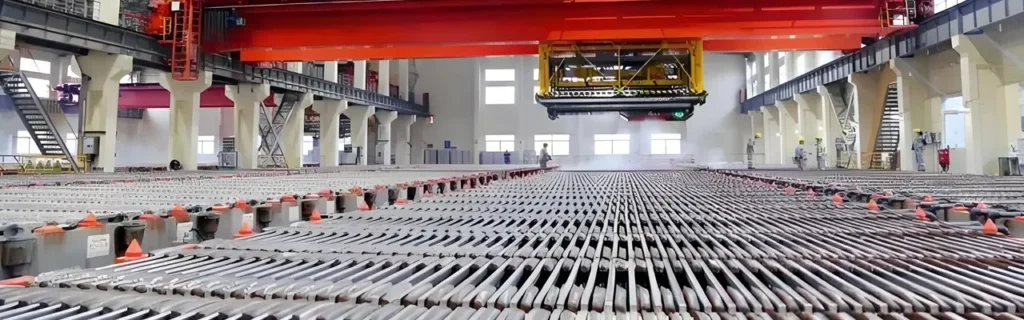
Application Scenarios of Titanium Anodes in Copper Electrowinning
Titanium anodes are widely used in various hydrometallurgical copper electrowinning scenarios, including:
- Large‑scale copper smelting plants: Suitable for continuous electrowinning production lines with annual output of thousands to tens of thousands of tons, adapting to high current density (more than 500A/m²) working conditions, and meeting the demand for large‑scale production.
- Secondary copper extraction: Applicable to the secondary copper removal system in the hydrometallurgical process, with stable performance under the conditions of high sulfuric acid concentration (170g/L) and high copper ion content (50‑55g/L).
- High‑purity copper production: Used in the production of high‑purity copper for electronics, new energy and other fields, effectively avoiding lead contamination and ensuring the electrical and mechanical properties of copper products.
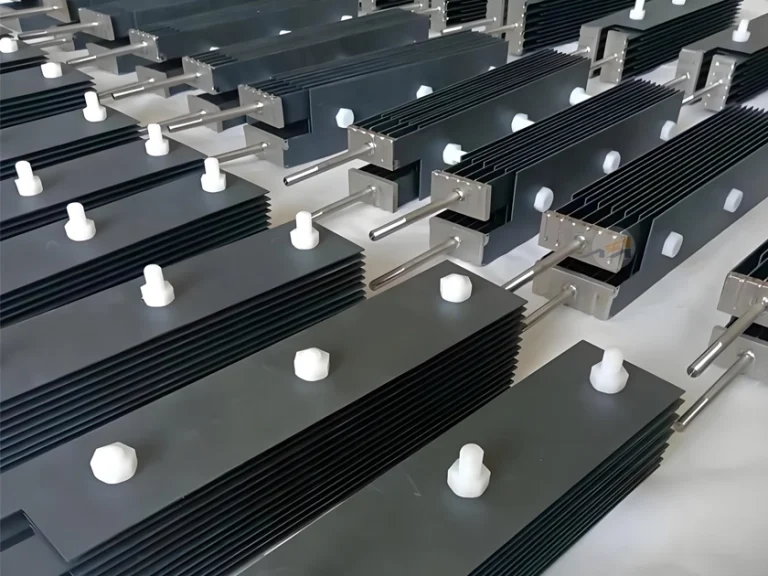
- Customized electrowinning systems: According to the actual production needs of customers, it can be customized into different sizes and structures (such as mesh, plate), and the coating can be optimized to adapt to different electrolyte systems and production process requirements.
Why Choose Our Titanium Anodes for Copper Electrowinning?
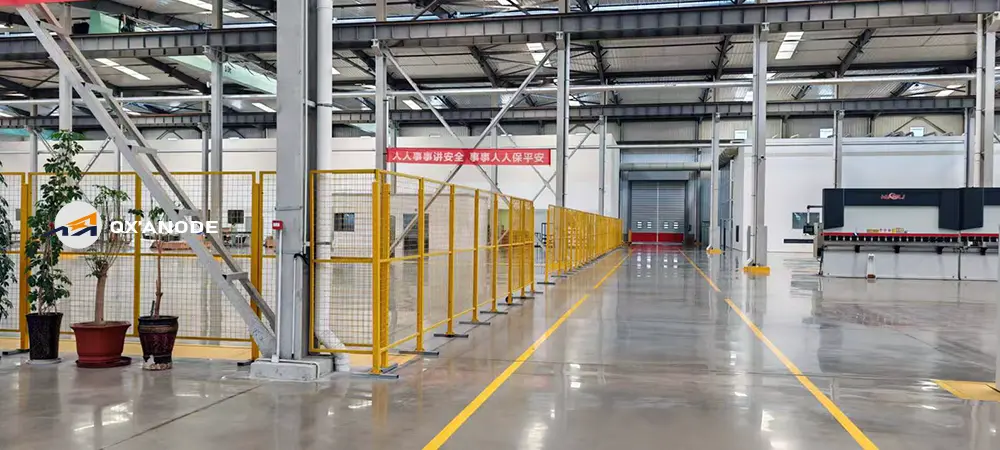
We focus on the R&D, production and customization of titanium anodes for hydrometallurgy, adhering to strict production standards and quality control processes. Our titanium anodes are prepared through professional processes such as sandblasting, oil removal, roughening and multi‑layer coating, ensuring the bonding force between the coating and the matrix and stable electrochemical performance. We can provide customized solutions according to customers’ actual production conditions (such as electrolyte concentration, temperature, current density), and provide professional after‑sales service, including anode maintenance, re‑coating and technical guidance, to help customers reduce production costs and improve production efficiency.